Prefect and Senior Administrator of Wallis and Futuna
The prefect, senior administrator of the Wallis and Futuna Islands, is currently Mr. Jean-François de Manheulle since November 2025.

Overseas Countries
and Territories Association

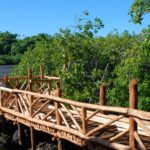
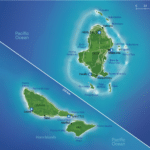
Wallis and Futuna is a French overseas territory located in the heart of the South Pacific. It has a population of approximately 11,500 at the last census in 2023. It is composed of three customary kingdoms: Uvea (on the island of Wallis), Alo and Sigave (on the island of Futuna). These kingdoms occupy a central place in the social and cultural organization of the territory. Traditional chieftaincy coexists with French republican institutions, in an original balance.
Latest population census 2023: approximately 11,620 inhabitants
Distribution: ~72.5% in Wallis / ~27.5% in Futuna (2023 data)
Total area: approximately 140–142 km²
Median age of the population: 38.2 years
Mme Lavinia Kanimoa
Elected Territorial Representative, Chair of the Economic Affairs and Development Committee of the Territorial Assembly of Wallis and Futuna
Mr Antonio ILALIO
Deputy to the Secretary General,
Head of the Public Policy and Development Coordination Service
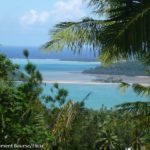
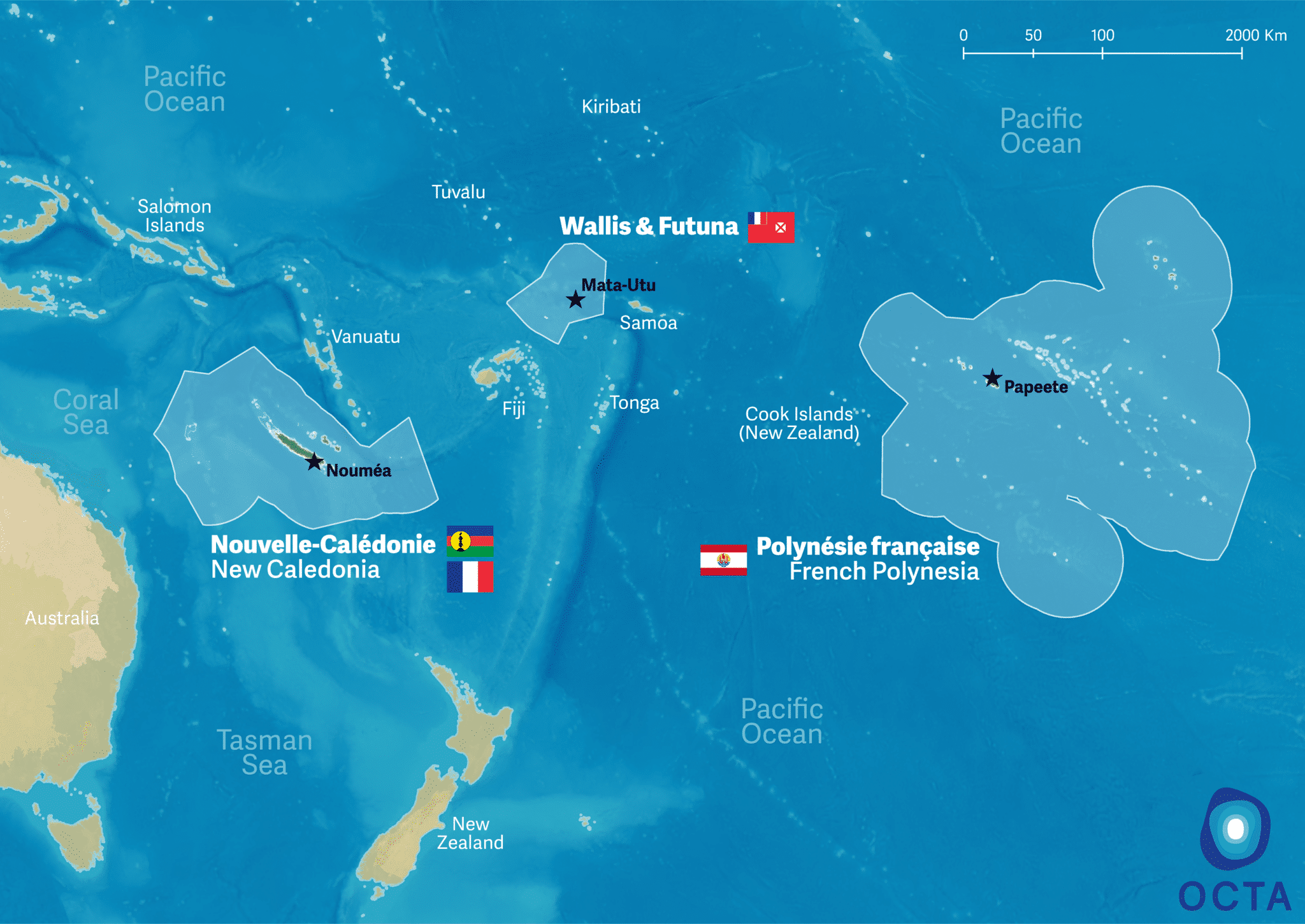
Wallis and Futuna is distinguished by the richness and diversity of its natural environment. Lagoons, coral reefs, tropical forests, and fertile lands create a preserved setting where biodiversity plays a central role in the daily lives of its inhabitants. This natural heritage constitutes a major asset, both for the quality of life and for the sustainable development of the territory.
However, this balance remains fragile. Climate change, coastal erosion, and waste management pose significant challenges. To address these challenges, Wallis and Futuna is committed to projects that protect ecosystems, promote the energy transition, and enhance local resources. These initiatives aim to preserve the beauty and richness of the environment while strengthening the resilience of communities in the face of natural hazards.
Status: French overseas collectivity, with executive power exercised by the prefect (senior administrator), representative of the State, and regulatory power exercised by the elected representatives of the Territorial Assembly.
The economy of Wallis and Futuna relies largely on the public sector, which accounts for nearly 70% of salaried employment. The private sector remains limited and fragile, particularly in construction and trade, while subsistence farming, livestock farming, and artisanal fishing continue to play a vital role in household food self-sufficiency. Foreign trade is marked by a significant imbalance, with increasing imports and virtually non-existent exports.
Since 2016, the territory has benefited from the energy equalization scheme, allowing for the gradual alignment of local electricity prices with those of France. In return, Wallis and Futuna has embarked on an ambitious energy transition: achieving 50% renewable energy by 2030 and aiming for energy self-sufficiency by 2050. Several solar and electricity demand management projects are underway to support this development. The main economic challenges remain dependence on public funding, trade imbalances, and the high costs associated with insularity. However, the energy transition and the development of local resources offer real prospects for sustainable development for the region.
Wallis and Futuna have been successfully involved in BEST2.0.
For more information, click here
The prefect, senior administrator of the Wallis and Futuna Islands, is currently Mr. Jean-François de Manheulle since November 2025.